





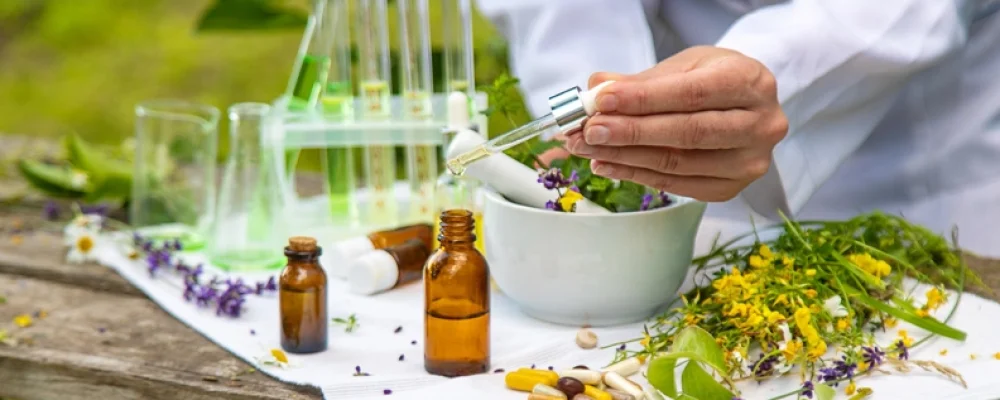
What is Phytotherapy? How Is It Applied?
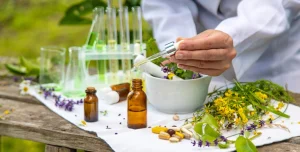
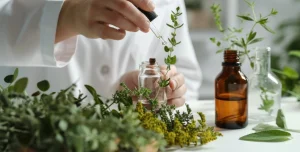
Phytotherapy is a branch of complementary and supportive medicine that involves the use of plants and plant extracts for medical purposes. The term derives from the Greek words “phyto” (plant) and “therapeia” (treatment). This approach utilizes various parts of plants—including roots, leaves, flowers, fruits, bark, and seeds—with the aim of preventing, alleviating, or treating illnesses in a natural and holistic way.
Applications of Phytotherapy
Phytotherapy can be used both in the prevention and treatment of a wide range of health conditions. Common areas of application include:
-
Strengthening the immune system
-
Digestive issues (e.g., indigestion, bloating, gastric discomfort)
-
Sleep disorders and stress management
-
Pain and inflammation relief
-
Skin conditions (e.g., eczema, acne)
-
Hormonal imbalances
-
Cardiovascular support (e.g., cholesterol reduction, blood pressure regulation)
-
Metabolic support and weight management
Common Medicinal Plants in Phytotherapy
-
Chamomile: Known for its calming effect and digestive support
-
Ginger: Effective in relieving nausea and improving digestion
-
Green Tea: Rich in antioxidants, promotes metabolic activity
-
Echinacea: Supports the immune system
-
Thyme: Antimicrobial and useful in respiratory tract conditions
-
St. John’s Wort: Used in the treatment of mild to moderate depression
Phytotherapy vs. Traditional Herbal Medicine
Phytotherapy is distinct from traditional herbal medicine in that it relies on scientific evidence and standardized preparations. While both approaches involve the use of plants:
-
Phytotherapy operates within the framework of modern medicine and is often used in conjunction with conventional treatments.
-
Traditional herbal practices are typically based on generational knowledge passed down through cultures, and may not always be supported by scientific research.
Is Phytotherapy Safe?
Although the effects of medicinal plants used in phytotherapy are generally mild and carry fewer side effects, safety should never be assumed blindly. Certain herbs may:
-
Interact with prescribed medications
-
Be harmful if misused or taken in inappropriate doses
Individuals with chronic conditions, pregnant or breastfeeding women, and children should always consult a qualified phytotherapy specialist or medical doctor before beginning any herbal treatment.