






Phytotherapy Support in Pancreatic Cancer
Phytotherapy support in pancreatic cancer stands out as a scientifically grounded approach used to complement primary treatment protocols in this highly aggressive type of cancer. When applied alongside conventional treatments such as surgery, chemotherapy, and radiotherapy, phytotherapy can help protect the patient’s immune system and overall quality of life—but only when managed under professional supervision. It is essential to note that the improper use of herbal products may harm sensitive organ systems like the pancreas. Therefore, phytotherapy support in pancreatic cancer must always be personalized and planned in accordance with the patient’s specific medical condition.
What Is Pancreatic Cancer and Why Is It Critical?
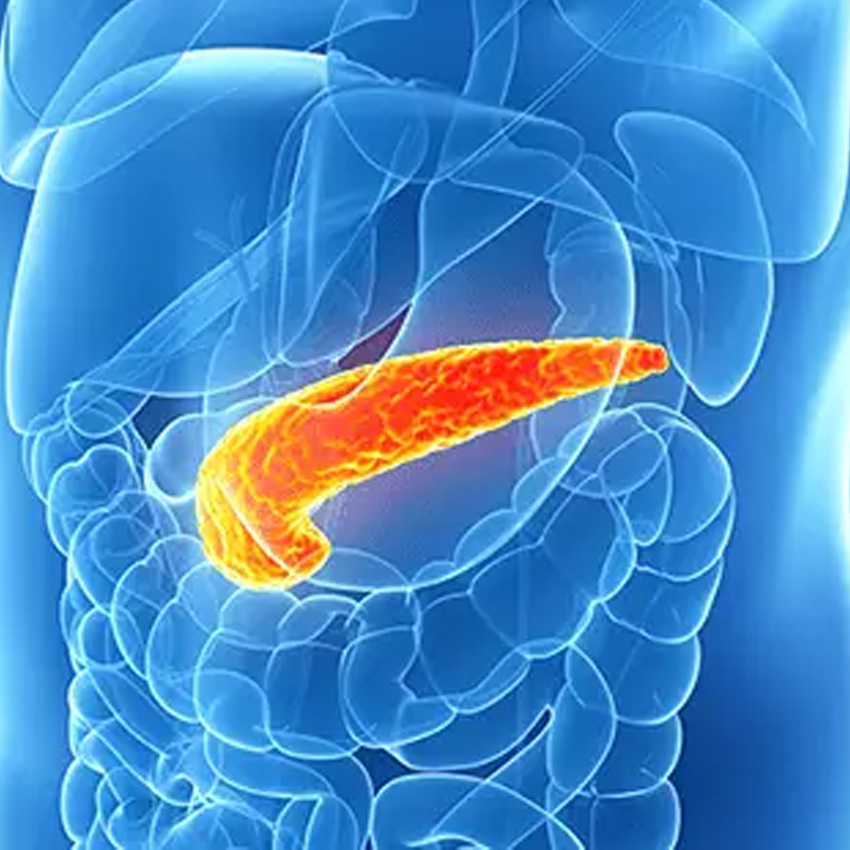
Pancreatic cancer is a malignant tumor originating from the exocrine or endocrine cells of the pancreas. It usually progresses silently and shows few early symptoms. This often leads to a late diagnosis, limiting treatment options.
The most common type is ductal adenocarcinoma, which arises from the pancreas’s exocrine glands. Common symptoms include:
-
Abdominal and back pain
-
Jaundice (particularly yellowing of the eyes)
-
Weight loss
-
Loss of appetite
-
Digestive problems
-
Newly onset diabetes
Due to the difficulty of early diagnosis, the treatment process for pancreatic cancer is typically challenging. Even when tumors are surgically removable, aggressive chemotherapy and/or radiotherapy are often required afterward. In this phase, phytotherapy support in pancreatic cancer can help enhance the patient’s endurance and improve compliance with treatment.
The Role of Phytotherapy in Pancreatic Cancer
Phytotherapy refers to herbal support practices grounded in scientific evidence. In a critical organ system like the pancreas, phytotherapeutic applications should be used solely for supportive purposes and always under expert guidance. Phytotherapy support in pancreatic cancer can be effective in the following areas:
-
Reducing chemotherapy-induced nausea and vomiting
-
Stabilizing appetite loss and related weight loss
-
Supporting the immune system
-
Helping maintain liver function
-
Improving sleep patterns and stress management
It is crucial to consider that medications used in pancreatic cancer treatment can significantly impact both the liver and pancreas. For this reason, the toxicity potential of each herbal ingredient must be thoroughly assessed. Phytotherapy support in pancreatic cancer should only be implemented after these evaluations have been completed.
Without Expert Supervision, the Risk Increases
Pancreatic cancer is one of the cancer types that requires the highest level of medical guidance due to the complexity of its treatment protocols. Uninformed phytotherapeutic practices may lead to:
-
Harmful interactions with medical drugs
-
Impairment of liver function
-
Toxic accumulation and metabolic complications
-
Reduced efficacy of primary treatments
Therefore, phytotherapy support in pancreatic cancer must follow a framework such as:
-
Being planned by phytotherapists working in coordination with oncologists
-
Collecting a detailed medical history prior to implementation
-
Scientifically evaluating and personalizing each ingredient
-
Monitoring and reporting the process regularly
Accessible Support Through Online Consultation
For patients who have difficulty reaching health centers physically or who live in different cities, phytotherapy support in pancreatic cancer is now safely available through an online consultation system. Within this system:
-
The patient’s full medical history is thoroughly documented
-
The oncological treatment protocol is reviewed, and a support plan is created
-
Consultations are conducted via video call
-
Products are directed safely with proper guidance
-
The entire process is digitally monitored and updated as needed
In this way, phytotherapy support in pancreatic cancer becomes accessible to every individual, regardless of location.
A Scientifically Backed and Safe Approach
Each herbal product used throughout the process is selected based not only on traditional knowledge but also on evidence-based scientific studies. When planning phytotherapy support in pancreatic cancer:
-
Components with proven efficacy in clinical trials are preferred
-
Each product’s pharmacological and toxicological profile is analyzed
-
Planning is tailored according to the individual’s age, weight, disease stage, and liver-pancreas function
Our main goal is to provide scientifically reliable responses to commonly searched queries like “herbs beneficial for pancreatic cancer,” “natural support program for pancreatic cancer,” or “herbal remedies to assist chemotherapy.”
How Does the Process Work?
For individuals seeking phytotherapy support in pancreatic cancer, the process follows these steps:
-
Application: The patient applies via online form or phone
-
Pre-Evaluation: Full medical history and current medications are reviewed
-
Expert Consultation: Conducted via video call
-
Planning: A personalized support program is created
-
Implementation: Support products are provided with usage instructions
-
Follow-Up: Periodic consultations are held, and updates are made based on progress
All these steps are carried out in a transparent and traceable manner for both the patient and the expert.
We’re Here for You with Professional and Safe Support
Phytotherapy support in pancreatic cancer not only offers assistance during this difficult process but also helps enhance treatment adherence and protect general health. Thanks to our online consultation service, you can easily connect with our experts and begin your personalized support plan—no matter where you are located.
If you would like to receive conscious and professionally guided phytotherapy support during the treatment of this critical organ, feel free to contact us. We’re here to help you build a balanced, safe, and well-informed care pathway.