





Medical Treatments in Cancer: From Surgery to Advanced Therapies
Cancer remains one of the leading causes of death worldwide. Therefore, medical approaches used in its treatment span a wide spectrum, covering both classical and modern practices. The primary goal in cancer treatment is to eliminate the tumor mass and prolong the patient’s survival. While surgery is the most fundamental method, it is often not sufficient on its own—necessitating the addition of chemotherapy, radiotherapy, and advanced protocols.
1. Surgical Treatment (Excision and Resection)
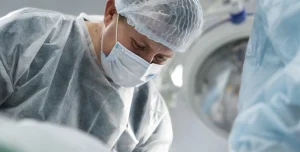
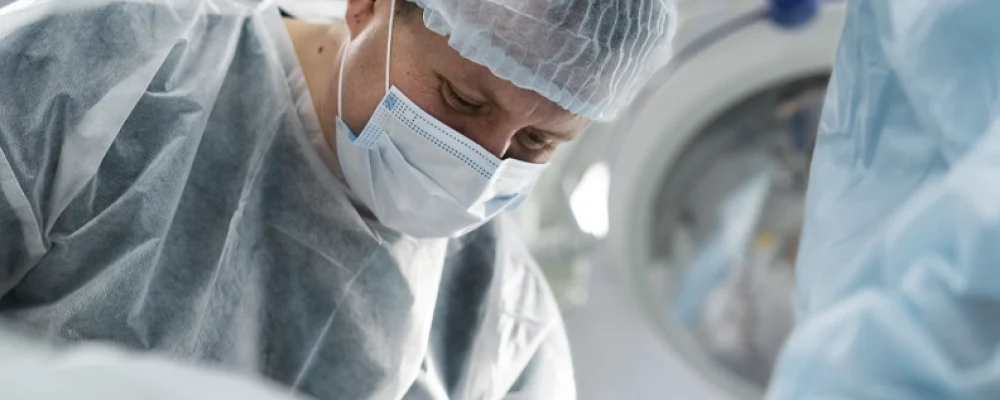
Surgical removal of the tumor is often the most effective and preferred initial method in cancer treatment. It shows high success rates especially in localized (non-metastatic) malignant tumors.
Excision: Removal of small lesions (such as skin tumors or cysts) along with a margin of healthy tissue. The goal is to ensure complete removal of the tumor with clear margins.
Partial / Total Organ Removal: In some cases, not only the tumor but also part (partial) or the entirety (total) of the involved organ must be removed. For example, thyroid tumors are often removed together with the lobe they are located in (lobectomy / total thyroidectomy).
Wide-Area Resections: When tumors are multifocal or extensively spread, complex surgical interventions involving multiple organs may be required. For instance, in pancreatic cancers, parts of the liver, spleen, stomach, bile ducts, and intestines may be removed along with the pancreas.
Although surgery is a key treatment, it may not always be sufficient. In such cases, adjuvant treatments are utilized.
2. Chemotherapy (Systemic Drug Therapy)
When surgery is insufficient or inapplicable, chemotherapy becomes one of the most frequently used treatment options. Chemotherapy involves the use of cytotoxic drugs that either prevent the proliferation of malignant cells or directly kill them.
Systemic Effect: Chemotherapy drugs are usually administered intravenously and circulate throughout the body to target cancer cells.
Application Purposes: Can be applied before surgery (neoadjuvant), after surgery (adjuvant), or as a standalone treatment.
Effectiveness Issues: Although chemotherapy is widely used around the world, it doesn’t always produce the desired outcomes. While it may extend survival in some cancers, it often cannot offer a definitive cure.
Additionally, chemotherapy can cause severe side effects and pose significant costs to healthcare systems. Therefore, ongoing research focuses on finding more effective and less harmful alternatives.
3. Radiotherapy (Radiation Therapy)
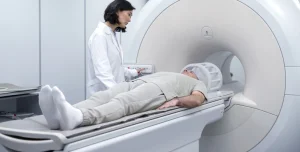
Radiotherapy uses high-energy radiation to destroy tumor cells. It is usually combined with surgery and chemotherapy.
Method: Radioactive ions are directed to the tumor site via specialized equipment.
Goal: To shrink the tumor, eliminate residual cells, and sometimes prepare for surgery.
Application: Can be applied alone or as part of a combination protocol.
Radiotherapy provides local control and is effective in areas where surgical removal is not possible. However, side effects must be minimized, as healthy tissues may also be affected.
4. Other and Advanced Therapies
In recent years, personalized and targeted therapy approaches have gained prominence in cancer treatment. These therapies are tailored to the genetic profile of cancer cells and offer more specific action compared to classical methods.
4.1. Targeted Chemotherapy
Treatments using molecules that target unique structural or biochemical features of cancer cells. They have fewer side effects and more controlled efficacy.
4.2. Hyperthermic / Hypothermic Chemotherapy
Special chemotherapy applications where drugs are activated by temperature. Commonly used in intra-abdominal cancers (such as peritoneal tumors).
4.3. Gene Therapies
Based on the modification or correction of disease-causing genes. Though still in experimental stages, these methods hold promising potential for the future.
4.4. Immunotherapies
Treatments that reprogram the immune system to recognize and eliminate cancer cells. Immunotherapies have achieved breakthrough success in certain cancers—especially melanoma and lung cancer.
4.5. CAR-T, CAR-B, and Dendritic Cell Therapies
Advanced protocols in which the patient’s own immune cells are genetically modified and reintroduced into the body. Primarily used in hematologic cancers such as leukemia and lymphoma.
Conclusion
Cancer treatment today is no longer dependent on a single approach. Surgery, chemotherapy, and radiotherapy remain core treatments, but thanks to technological and molecular advancements, personalized, more precise, and less toxic options are becoming increasingly available.
The success of medical treatments depends on accurate diagnosis, a multidisciplinary approach, and individualized treatment protocols. Therefore, staying informed about current scientific developments and selecting the right treatment based on each patient’s unique profile is of critical importance in the fight against cancer.